Prairies Partners is a trusted industry name that continues to offer high-quality water storage and treatment solutions, helping industries and organizations manage wastewater efficiently and responsibly. One of the most important systems used for treating wastewater is the STP plant. Whether in residential societies, commercial complexes, industries, or municipal facilities, a Sewage Treatment Plant plays a crucial role in treating wastewater before it is released into the environment or reused for various purposes.
What is STP? ( Full Form of STP)
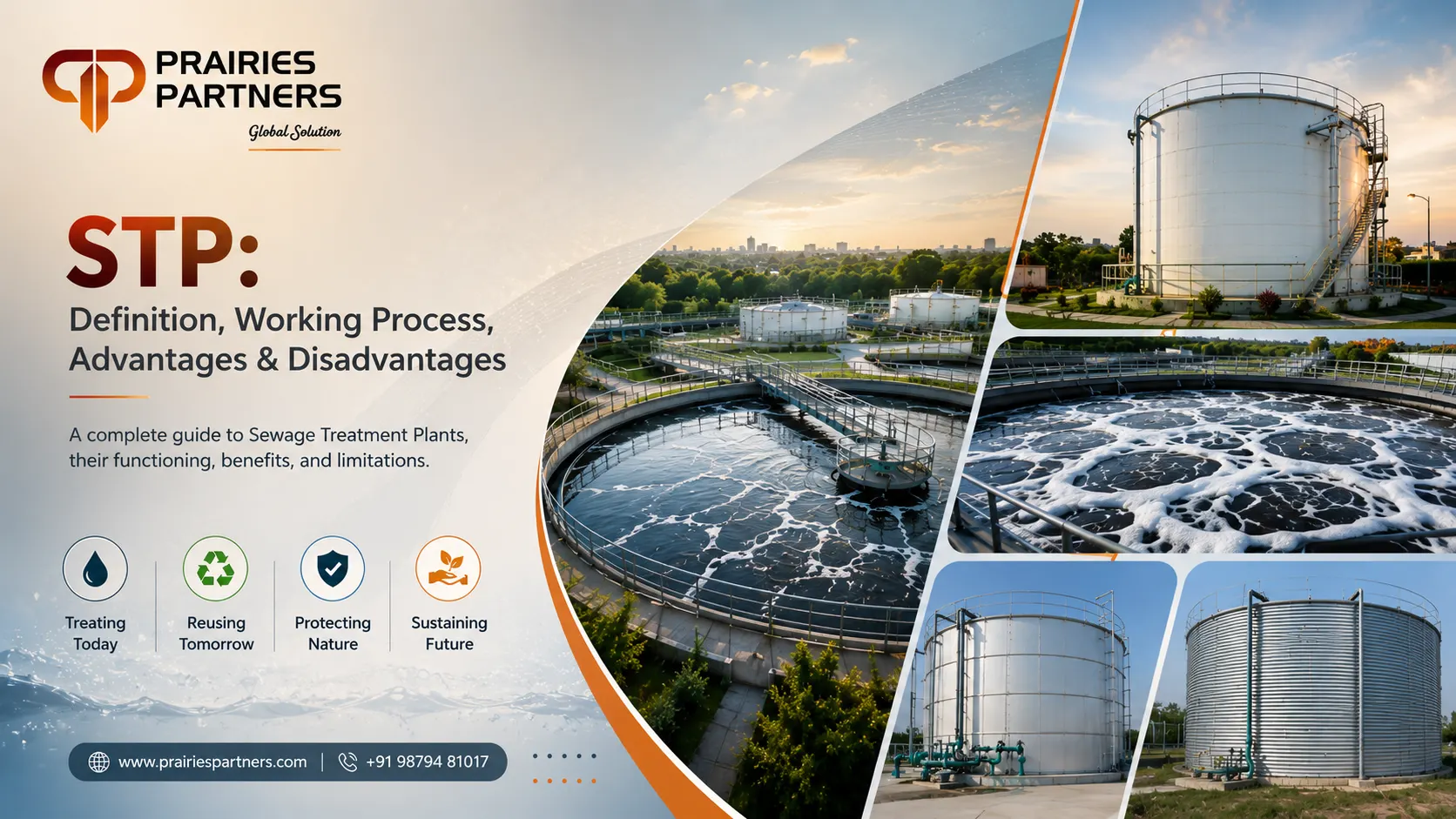
The stp full form is Sewage Treatment Plant. A Sewage Treatment Plant is a facility designed to remove contaminants, impurities, and harmful substances from wastewater generated by households, commercial buildings, and industries.
The sewage treatment plant meaning refers to the process of treating sewage water through physical, biological, and chemical methods to make it safe for disposal or reuse. In the water treatment industry, the stp full form water is also commonly referred to as Sewage Treatment Plant because it specifically deals with wastewater treatment and recycling.
Working Process of an STP Plant
The operation of a Sewage Treatment Plant involves multiple stages designed to remove different types of contaminants.
1. Preliminary Treatment
The wastewater first enters the screening chamber, where large solids such as plastics, cloth, paper, and debris are removed. This protects the downstream equipment from damage and blockage.
2. Primary Treatment
The wastewater then moves into settling tanks, where heavier suspended solids settle at the bottom while lighter materials float on the surface. This stage removes a significant portion of solid waste.
3. Biological Treatment
The biological treatment stage is the heart of the STP plant. Microorganisms are introduced into aeration tanks where they break down organic pollutants and convert harmful substances into simpler compounds.
The aeration process improves oxygen supply, allowing beneficial bacteria to efficiently treat sewage water.
4. Secondary Clarification
After biological treatment, the wastewater enters clarifiers where the biological sludge settles. The clear treated water is separated from the sludge for further processing.
5. Filtration and Disinfection
The treated water undergoes filtration to remove remaining impurities. Disinfection methods such as chlorination or ultraviolet treatment eliminate harmful bacteria and pathogens.
6. Storage and Reuse
The treated water is then transferred to an STP Storage Tank, where it can be safely stored for reuse in various applications or discharged according to environmental regulations.
Advantages of STP Plant
Installing a STP plant offers numerous environmental, operational, and economic benefits.
- Water Conservation
- Environmental Protection
- Regulatory Compliance
- Cost Savings
- Improved Public Health
- Sustainable Development
Disadvantages of STP Plant
Despite their many advantages, STP plants also have some limitations.
- High Initial Investment
- Maintenance Requirements
- Energy Consumption
- Skilled Workforce Requirement
- Sludge Disposal Challenges
Why is a Sewage Treatment Plant Important?
A STP plant is essential for maintaining environmental balance and conserving water resources. Untreated sewage can contaminate rivers, lakes, groundwater, and soil, creating serious health hazards. By installing a proper Sewage Treatment Plant, organizations can significantly reduce pollution and contribute to sustainable water management practices. Modern wastewater treatment facilities also support water recycling initiatives, allowing treated water to be reused for gardening, flushing, cooling towers, and industrial applications.
Role of STP Storage Tank
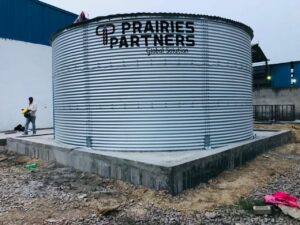
The STP Tank is a critical component responsible for storing and processing wastewater during various treatment stages. These tanks are designed to withstand corrosive environments and ensure reliable operation.
Similarly, the STP Storage Tank plays an important role in storing treated water safely before reuse or discharge. High-quality storage tanks help maintain water quality and support efficient plant operation. Prairies Partners continues to offer robust and durable storage tank solutions that meet the diverse requirements of wastewater treatment facilities across multiple industries.
Understanding the stp full form, stp plant full form, and sewage treatment plant meaning is essential for appreciating the importance of wastewater treatment systems in modern society. The full form of stp, or Sewage Treatment Plant, represents a critical technology for environmental protection, water conservation, and sustainable development.
Although every STP plant has certain operational challenges, its benefits far outweigh the disadvantages. From reducing pollution to enabling water reuse, these systems play a vital role in preserving valuable water resources. Prairies Partners continuing to offer advanced solutions, wastewater treatment infrastructure remains a cornerstone of responsible environmental management.