Prairies Partners is a trusted name in the wastewater management industry, offering advanced and reliable solutions for industrial and municipal water treatment needs. We offer high-quality treatment systems designed to improve water quality, reduce environmental impact, and ensure regulatory compliance. Among the most critical components of any biological treatment system is the aeration tank, which plays a vital role in the overall wastewater purification process.
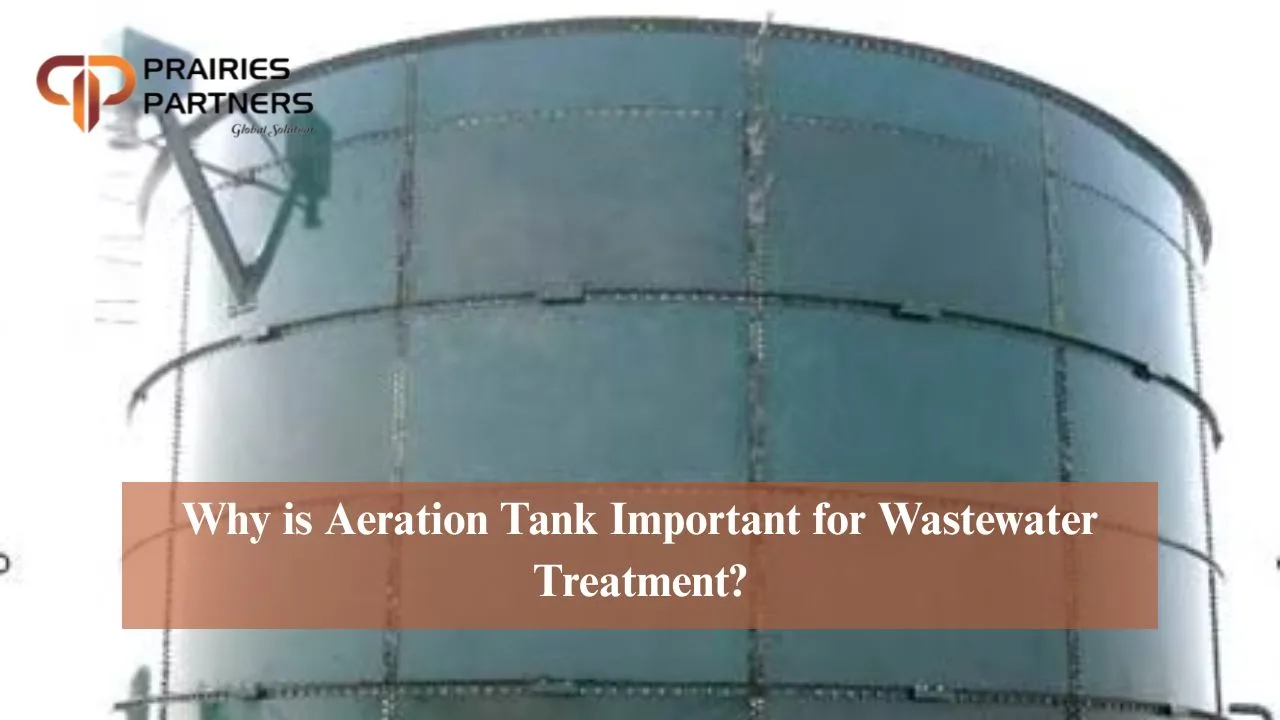
An aeration tank wastewater treatment system is designed to supply oxygen to microorganisms that break down organic pollutants present in wastewater. The process of wastewater treatment aeration helps maintain the right dissolved oxygen levels inside the tank, enabling beneficial bacteria to convert harmful organic matter into harmless by-products such as carbon dioxide, water, and biomass.
What is Aeration in Wastewater Treatment?
Aeration is the process of introducing air or oxygen into wastewater. This oxygen supports aerobic microorganisms that consume and decompose organic pollutants.
In a treatment plant, wastewater enters the aeration tank where diffusers, blowers, or mechanical aerators continuously mix air with water. This creates an ideal environment for bacterial growth and pollutant removal. Effective aeration treatment ensures that wastewater is properly treated before being discharged or reused.
Importance of Wastewater Treatment Aeration
- Improves Organic Matter Removal: The primary purpose of wastewater treatment aeration is to remove biodegradable organic compounds from wastewater. Aerobic bacteria thrive in oxygen-rich conditions and consume these pollutants as a food source.
- Enhances Treatment Efficiency: An efficient aeration tank wastewater treatment system ensures faster decomposition of contaminants. Proper oxygen transfer allows microorganisms to remain active, leading to quicker and more effective treatment outcomes.
- Reduces Unpleasant Odors: When wastewater lacks oxygen, anaerobic conditions develop, producing foul-smelling gases such as hydrogen sulfide.
- Supports Nutrient Removal: Modern treatment plants often require nitrogen and phosphorus removal to meet environmental standards. Effective aeration treatment promotes nitrification, where ammonia is converted into nitrate, improving the overall quality of treated water.
- Prevents Sludge Settling: Continuous mixing provided during wastewater treatment aeration keeps microorganisms suspended throughout the tank. This prevents sludge from settling prematurely and ensures maximum contact between bacteria and wastewater contaminants.
How Aeration Tanks Work
The operation of an aeration tank follows a straightforward yet highly effective process:
- Wastewater enters the aeration basin.
- Air is introduced using blowers, diffusers, or mechanical aerators.
- Microorganisms consume organic pollutants in the presence of oxygen.
- Continuous mixing ensures uniform treatment throughout the tank.
- Treated water moves to a secondary clarifier where solids settle out.
- Cleaned water proceeds for further treatment or discharge.
This process highlights the significance of aeration in water treatment, especially when dealing with large volumes of municipal or industrial wastewater.
Types of Aeration Systems
Different treatment facilities use various aeration technologies depending on capacity and operational requirements.
- Diffused Aeration Systems: These systems use diffusers placed at the bottom of the tank to release fine air bubbles. Fine bubbles increase oxygen transfer efficiency and are widely used in modern aeration tank wastewater treatment plants.
- Mechanical Aeration Systems: Mechanical aerators use rotating equipment to mix air into wastewater. These systems are commonly used where high mixing energy is required.
- Surface Aeration Systems: Surface aerators create turbulence at the water surface, allowing oxygen to dissolve into the wastewater. This method is effective for certain industrial applications.
Each type of aeration treatment system is selected based on treatment goals, tank size, energy efficiency, and operational costs.
Benefits of Proper Aeration in Water Treatment
The importance of aeration in water treatment extends beyond wastewater purification. Proper aeration provides several operational and environmental benefits:
- Improved dissolved oxygen levels.
- Enhanced biological treatment performance.
- Reduced sludge production.
- Lower odor generation.
- Better compliance with environmental regulations.
- Increased system reliability and efficiency.
- Improved treated water quality for reuse applications.
These advantages make aeration one of the most essential stages in any wastewater treatment process.
Industries That Depend on Aeration Tanks
Many industries rely on wastewater treatment aeration systems to manage their effluent before discharge. These include:
- Food and beverage processing plants
- Dairy industries
- Pharmaceutical facilities
- Textile manufacturing units
- Chemical processing plants
- Municipal sewage treatment plants
- Paper and pulp industries
In each of these sectors, effective aeration in wastewater treatment helps protect water resources and maintain sustainable operations.
The aeration tank is the heart of biological wastewater treatment. It creates the ideal conditions for microorganisms to break down harmful pollutants, ensuring cleaner and safer water. Whether in municipal sewage plants or industrial treatment facilities, aeration tank wastewater treatment systems play a critical role in maintaining environmental sustainability and regulatory compliance.
At Prairies Partners, we offer dependable wastewater treatment solutions built to various industrial and municipal needs. By implementing advanced wastewater treatment aeration technologies and efficient aeration treatment systems, organizations can achieve superior treatment performance, reduce operational challenges, and contribute to a cleaner environment. The importance of aeration in water treatment cannot be overstated, as it remains one of the most effective methods for producing high-quality treated water.