In agricultural and industrial sectors, storage plays a crucial role in maintaining the quality and safety of materials. One of the most efficient storage solutions used worldwide is the silo. Whether it is for storing grains, feed, cement, or other bulk materials, silos help businesses manage inventory effectively while protecting products from environmental damage.
What is a Silo? (Definition of Silo)
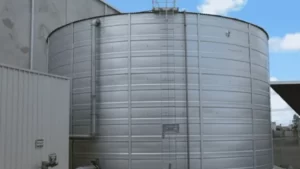
A silo is a tall, cylindrical structure designed for storing bulk materials safely and efficiently. These structures are commonly made from steel, concrete, or other durable materials and are built to withstand various weather conditions. The purpose of a silo is to preserve the quality of stored products by protecting them from moisture, pests, contamination, and temperature fluctuations.
Many people often search for the silo full form, but it is important to note that “silo” is not an acronym and does not have an official full form. The silos are widely used in industries such as construction, food processing, mining, and manufacturing.
Silos in Agriculture (Silo Agriculture)
Agriculture Silo are essential storage structures used to preserve grains, seeds, animal feed, and other agricultural products. Modern Silos in Agriculture are designed with advanced ventilation and temperature-control systems that reduce spoilage and improve efficiency. Farmers and agribusinesses depend on silos to manage inventory, minimize post-harvest losses, and maintain a steady supply of crops throughout the year.
What is a Grain Silo?
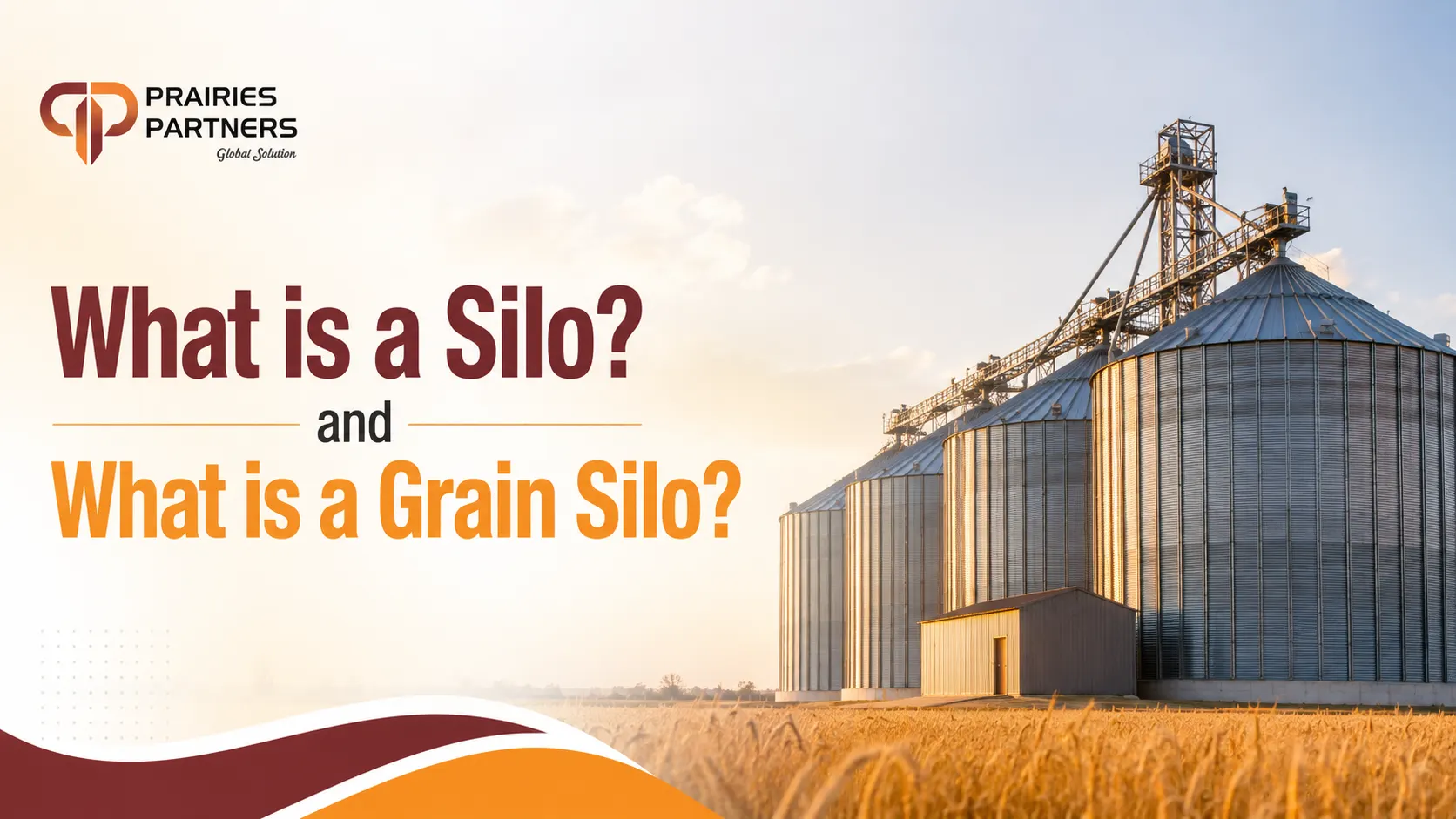
A Grain Silo is a specialized storage structure designed specifically for storing grains such as wheat, rice, corn, barley, millet, and other agricultural products.
Grain Silos Meaning
The grain silos meaning refers to storage systems that help preserve harvested grains by maintaining ideal conditions and minimizing spoilage.
Grain silos are equipped with advanced features such as ventilation systems, temperature monitoring, and moisture control mechanisms.
Importance of Silo in Agriculture
The concept of a silo in agriculture has transformed the way farmers store and manage their crops. Silos provide a controlled environment that protects crops and enhances their shelf life.
A silo in agriculture offers several benefits, including:
- Protection against pests and rodents
- Better moisture control
- Reduced post-harvest losses
- Improved grain quality
- Efficient space utilization
- Easier inventory management
Due to these advantages, the use of silos in agriculture continues to grow across the world as farmers seek reliable storage solutions.
Different Types of Silos
There are several types of silos available depending on storage requirements and industry applications.
- Grain Silos: Designed specifically for storing agricultural grains and seeds while maintaining quality and freshness.
- Feed Silos: Used for storing animal feed and livestock nutrition products.
- Cement Silos: Widely used in the construction industry for storing cement and other powdered materials.
- Tower Silos: Tall vertical structures commonly used on farms for storing silage and feed.
- Hopper Bottom Silos: Feature a conical bottom that allows easy discharge of stored materials without manual intervention.
Each type serves a unique purpose and is designed to maximize storage efficiency.
Grain Silo vs Traditional Warehouse
| Comparison Point | Grain Silo | Traditional Warehouse |
|---|---|---|
| 1. Storage Capacity | Offers high-capacity storage in a compact area. | Requires more floor space for large quantities of grain. |
| 2. Grain Quality | Provides better protection against moisture, pests, and contamination. | Grain may be more exposed to moisture, pests, and environmental conditions. |
| 3. Space Utilization | Uses vertical space efficiently and requires less land area. | Mainly uses horizontal floor space, requiring larger storage areas. |
| 4. Handling & Management | Allows easier loading, unloading, aeration, and automated grain handling. | Handling is often more manual and may require additional equipment. |
| 5. Long-Term Storage | Well-suited for maintaining grain quality during long-term storage. | Better suited for short- to medium-term storage when proper conditions are maintained. |
Benefits of Grain Silos
Understanding the grain silos meaning becomes easier when considering the advantages they provide. Grain silos are designed to ensure long-term storage while maintaining grain quality.
Some key benefits include:
- Enhanced Grain Protection: Grain silos shield crops from rain, humidity, insects, and birds, significantly reducing losses.
- Improved Storage Capacity: Vertical storage allows farmers to store large quantities of grain while minimizing land usage.
- Better Inventory Control: Modern silo systems enable easy monitoring of stock levels and grain conditions.
- Reduced Waste: By maintaining optimal storage conditions, grain silos help prevent spoilage and deterioration.
- Increased Profitability: Farmers can store grain until market prices become favorable, helping maximize returns on investment.
Applications of Silos
Silos in agriculture are widely used across various farming operations. However, their applications are not limited to farming alone.
Common uses include:
- Storage of wheat, rice, corn, and barley
- Livestock feed storage
- Fertilizer storage
- Cement and construction material storage
- Food processing industries
- Industrial manufacturing facilities
These applications demonstrate the versatility and efficiency of silo storage systems.
Understanding the silos meaning and the grain silos meaning highlights their importance in preserving valuable materials and reducing losses. The role of a silo in agriculture is especially significant, as it helps farmers protect harvested crops and improve profitability. With the growing demand for efficient storage solutions, the adoption of silos in agriculture continues to increase worldwide. Prairies Partners provide high-quality silo solutions that support modern farming and industrial operations, ensuring safe, efficient, and long-lasting storage.