Efficient grain storage is critical in modern agriculture and agri-based industries. Proper storage not only protects harvested crops from spoilage but also helps maintain quality, reduce losses, and ensure smooth supply chain operations. Among the most commonly used grain storage systems are grain silos and grain bins. Although these terms are often used interchangeably, they are not exactly the same. Each serves a distinct purpose and is designed for specific storage needs.
In this blog, we will explain the difference between grain silos and grain bins, their structure, capacity, applications, advantages, and how to choose the right option for your agricultural or commercial requirements.
Understanding Grain Storage Systems
Grain storage systems are designed to safely store cereals such as wheat, rice, maize, corn, barley, soybeans, and pulses. These systems protect grains from moisture, pests, temperature variations, and contamination. Choosing the right storage solution depends on factors like volume, duration of storage, climate conditions, and handling requirements.
Prairies Partner Global Solution is a trusted provider of advanced grain storage solutions, offering both grain silos and grain bins designed to meet international quality standards and modern agricultural needs.
What is a Grain Silo?
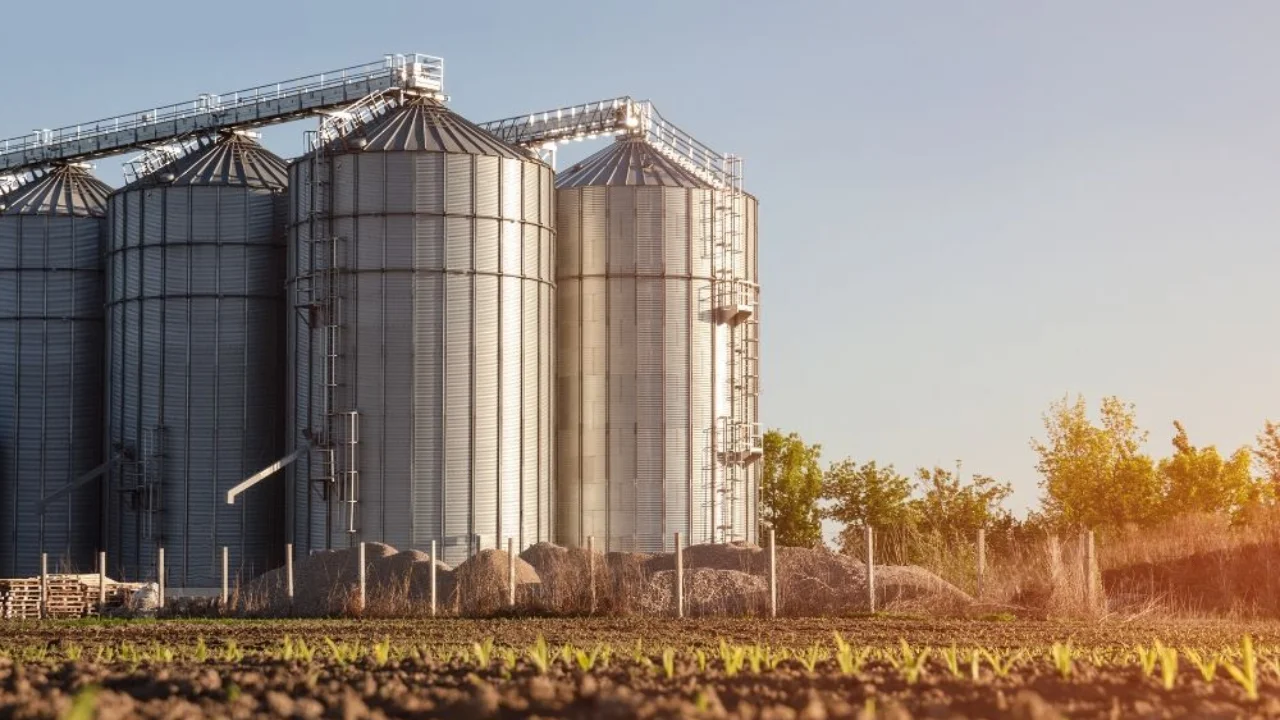
A grain silo is a tall, vertical structure used for storing large quantities of bulk grain over extended periods. Silos are commonly found in large farms, food processing units, ports, grain terminals, and export facilities.
Key Characteristics of Grain Silos
- Cylindrical vertical structure
- Made from galvanized steel, concrete, or stainless steel
- Large storage capacity, ranging from hundreds to thousands of tons
- Equipped with aeration, temperature monitoring, and unloading systems
- Designed for long-term grain storage
Grain silos are engineered to preserve grain quality by controlling moisture, airflow, and temperature. Manufacturers like Prairies Partner Global Solution design silos with advanced ventilation and monitoring systems to reduce spoilage and ensure safe storage.
What is a Grain Bin?
A grain bin is generally a smaller storage structure compared to a silo and is widely used for short- to medium-term grain storage. Grain bins are common on farms and at local collection points where grain is temporarily stored before processing or transportation.
Key Characteristics of Grain Bins
- Usually shorter and wider than silos
- Typically made of corrugated galvanized steel
- Moderate storage capacity
- Simpler design with fewer automation features
- Suitable for seasonal or temporary storage
Grain bins are cost-effective and easy to install, making them popular among small and medium-scale farmers.
Differences Between Grain Silos and Grain Bins
While both structures store grain, their design and application differ significantly.
1. Storage Capacity
- Grain Silos: Designed for very large storage volumes and bulk handling
- Grain Bins: Suitable for smaller quantities and farm-level storage
2. Height and Structure
- Silos: Tall, vertical structures optimized for space efficiency
- Bins: Shorter, wider structures requiring more ground space
3. Storage Duration
- Silos: Ideal for long-term storage with quality preservation
- Bins: Best for short- or medium-term storage
4. Technology and Automation
- Silos: Equipped with advanced aeration, temperature sensors, and automated unloading systems
- Bins: Usually feature basic aeration and manual or semi-automatic unloading
5. Cost
- Silos: Higher initial investment but better long-term value
- Bins: Lower cost and easier installation
Applications of Grain Silos
Grain silos are widely used in:
- Large-scale farming operations
- Grain trading and export terminals
- Food processing industries
- Flour mills and feed mills
- Government grain storage facilities
Prairies Partner Global Solution supplies industrial-grade grain silos suitable for high-volume storage and continuous grain handling operations.
Applications of Grain Bins
Grain bins are commonly used for:
- Farm-level grain storage
- Temporary harvest storage
- Local grain collection centers
- Seasonal grain holding
They are ideal for farmers who need flexible and economical storage solutions.
Material and Durability Comparison
Grain Silos
- Constructed using heavy-duty galvanized steel or concrete
- Designed to withstand high wind loads and extreme weather
- Longer lifespan with minimal maintenance
Grain Bins
- Made from corrugated steel sheets
- Adequate durability for short-term storage
- Require periodic inspection and maintenance
Prairies Partner Global Solution ensures high-quality materials in both silos and bins to guarantee strength, safety, and longevity.
Which One Should You Choose?
Choosing between a grain silo and a grain bin depends on several factors:
Choose a Grain Silo if:
- You handle large volumes of grain
- Long-term storage is required
- Grain quality preservation is critical
- Automation and monitoring are important
Choose a Grain Bin if:
- You are a small or medium-scale farmer
- Storage needs are seasonal
- Budget constraints are a priority
- Short-term storage is sufficient
Consulting an experienced supplier like we can help determine the most suitable storage system based on your operational needs.
Advantages of Working with Prairies Partner Global Solution
Prairies Partner Global Solution is a reliable name in storage solutions, offering customized and efficient systems for agricultural and industrial clients. We offer grain storage tanks and bins in a wide range of capacities to suit diverse agricultural and industrial requirements. Our storage solutions are available in standard as well as fully customized designs, allowing clients to choose sizes, configurations, and features based on their specific storage needs and site conditions.
Each tank and bin is engineered with precision, ensuring optimal grain protection, structural strength, and long-term durability. From small-capacity farm storage to large-scale commercial and industrial grain handling systems, our customized designs provide flexibility, efficiency, and reliable performance.
Why Choose Prairies Partner Global Solution?
- High-quality grain silos and bins
- Advanced design and engineering
- Compliance with global quality standards
- Custom capacities and configurations
- Strong after-sales support and service
Our expertise ensures that clients receive storage solutions that maximize grain safety, efficiency, and operational performance.
Conclusion
Although grain silos and grain bins both serve the purpose of grain storage, they differ significantly in capacity, design, technology, and application. Grain silos are best suited for large-scale, long-term storage with advanced control systems, while grain bins offer a practical and economical solution for short-term and farm-level storage.
Understanding these difference between grain silos and grain bins helps farmers, agribusinesses, and storage facility operators make informed decisions. With high-quality solutions from Prairies Partner Global Solution, you can ensure efficient, safe, and reliable grain storage tailored to your specific needs.